The Best eSIM for Travel in 2025: Your Guide to Staying Connected
Arriving in Tokyo after a long flight, the last thing you want is to hunt for a local SIM—just scan a QR code with the best eSIM for travel to instantly connect to a high-speed local network. This digital SIM works by downloading a data profile directly onto your phone, letting you switch between countries without swapping physical cards. You enjoy flexible plans tailored for your trip, pay no roaming fees, and keep your usual number active for calls and texts. Activate it before departure or on arrival, and you’ll navigate, stream, and share from the moment you land.

Why Switching to a Digital SIM Beats Physical Roaming Cards
Switching to a best eSIM for travel eliminates the need to swap physical roaming cards, which often get lost or damaged. You activate a digital profile instantly via email or app, avoiding airport kiosk queues. Physical cards tie you to one network, whereas digital SIMs let you compare and install local data plans from multiple providers before you land. There is no wait for delivery or manual tray ejecting. You top up any time through an app, not by buying a new card. Roaming cards expire and clutter your wallet; a digital SIM stays in your device, ready for your next trip. This direct control over connectivity makes digital SIMs the superior, hassle-free choice for modern travel.
Eliminating the Hunt for Local SIM Shops at Arrival
One of the biggest reliefs with the best esim for travel is eliminating the hunt for local SIM shops at arrival. You step off the plane, turn on your phone, and connect instantly—no wandering through unfamiliar terminals or negotiating with kiosk vendors while jet-lagged. That frantic scramble for a physical SIM becomes a travel memory after your first eSIM trip. Just scan a QR code before you board, and data is live as you clear customs. No wasted hours, no language barriers, just immediate connectivity.
Q: How do I avoid hunting for a physical store if my plane lands late?
A: Simply buy and activate your eSIM online before departure. You’ll never need to find a shop open at midnight.
How eSIMs Save Luggage Space and Prevent Lost Cards
Switching to the best eSIM for travel directly eliminates the need to carry multiple physical SIM cards. This saves valuable luggage space, as you no longer need to bring a secondary device or a wallet full of roaming cards for different destinations. eSIMs are digitally stored on your device, removing the risk of losing or misplacing a tiny physical card during transit. Without a physical piece to damage, you avoid the common hassle of a bent or scratched card becoming unusable mid-trip.
- Removes the need for a separate travel phone or SIM holder in your bag.
- Prevents losing a card when swapping between home and roaming profiles.
- Eliminates the risk of physical damage to a fragile SIM card.
- Keeps all travel connectivity stored on one device, not loose in your luggage.
Instant Activation: No Airport Kiosk Queues Required
For the best eSIM for travel, instant activation eliminates the need to hunt down airport kiosk queues. You purchase and install the digital SIM before departure, scanning a QR code or entering a code from your seat. Upon landing, you switch the profile on within seconds—no passport checks, no local currency, no waiting. This speed is critical when you have a tight connection or arrive late at night when kiosks are closed.
- Activate from home, not a crowded terminal
- Skip paper forms and ID scanning at kiosks
- Go from plane to internet without a single stop
- No risk of kiosk staff running out of your specific physical SIM
Top Factors for Selecting a Travel eSIM Provider
When hunting for the best eSIM for travel, coverage reliability tops the list—your provider must partner with strong local networks in every destination you visit. Data allowance flexibility matters too; look for plans that let you top up or switch between packages without buying a new eSIM. Competitive pricing without hidden activation fees keeps costs predictable. A user-friendly app for installation and account management saves hassle mid-trip. Customer support should be 24/7 via live chat, since connection issues don’t wait for business hours. Q: How do I check coverage before buying? A: Most reputable providers list their network partners per country on their website or app, so you can see which 4G/5G bands they use. Finally, multi-country or regional plans often beat buying separate local eSIMs if you’re hopping borders.
Coverage Reach: Network Partners vs. Proprietary Infrastructure
When evaluating coverage reach for the best travel eSIM, the distinction between network partners and proprietary infrastructure is critical. Providers leveraging a large consortium of local network partners often deliver broader, more reliable connectivity across multiple countries, as they can switch between operators to maintain signal strength. In contrast, a provider with proprietary infrastructure—owning physical towers or core networks—typically offers superior stability and lower latency within a single region but may lack seamless global roaming. Network partner aggregation is generally preferable for multi-destination travelers, while proprietary infrastructure benefits those focused on deep, consistent coverage in one territory.
Coverage reach depends on whether a provider uses local network partners for broad, flexible roaming or proprietary infrastructure for dedicated, high-stability regional access.
Value Plans: Data Allowance, Validity Length, and Hidden Fees
When evaluating the best esim for travel, data allowance, validity length, and hidden fees define a plan’s true value. A generous gigabyte count is useless if the validity window ends before your trip concludes, requiring a separate plan for a single layover. Conversely, a 30-day validity might waste funds if you only need five days of data. The advertised price per gigabyte often obscures activation charges, top-up surcharges, or throttling once a soft cap is reached. Focus on total cost across your exact travel duration, not per-unit rates, and confirm zero undisclosed reactivation or service fees for seamless, budget-conscious connectivity.
Top-Up Flexibility: Refillable Options vs. One-Time Packs
For choosing the best eSIM for travel, top-up flexibility directly impacts your budget and convenience. Refillable eSIMs let you add data to an existing profile, ideal for extended trips or unexpected data needs. One-time packs offer fixed data for a set period, requiring a new eSIM purchase when exhausted. Refillable options save you the hassle of re-installing profiles and managing multiple eSIMs, while one-time packs suit short, predictable trips or travelers who prefer a strict data cap without overspending.

- Refillable eSIMs let you add small data increments, avoiding waste from unused data.
- One-time packs lock you into a preset amount, limiting flexibility if your usage changes.
- Refillable plans often retain your phone number and plan settings across top-ups.
- One-time packs require a full re-purchase for additional data, increasing cost and setup time.
Speed and Reliability: LTE, 5G, and Throttling Policies
For travelers, consistent LTE and 5G speeds vary wildly by provider. A plan boasting 5G access is useless if the eSIM throttles video to 480p after 500MB. Prioritize eSIMs that offer true 4G LTE fallback speeds rather than deceptive “unlimited” plans. The best travel eSIMs define throttling policies clearly—look for a fair usage policy (FUP) that ensures usable speeds, not just a hard cap that drops you to 128 kbps.
| Network Type | Reliability Factor | Throttling Risk |
|---|---|---|
| 5G | High peak speeds, but spotty coverage abroad | Often throttled to 4G after data threshold |
| LTE | Broadest global fallback, stable for maps/streaming | Low if FUP allows ~1 Mbps after cap |
| After Cap | Policies that guarantee 256 kbps+ | High with “hard throttles” under 128 kbps |
App Usability: Account Management and QR Code Setup
When selecting the best travel eSIM provider, app usability for account management and QR code setup directly impacts your trip’s start. A top-tier interface lets you create, manage, or top up multiple eSIM profiles in seconds, with real-time balance and expiry details displayed clearly. The QR code activation should be instant—scan from within the app, not your phone’s camera, to avoid manual entry errors. One poorly designed flow can leave you stranded without data.
Q: What if my QR code fails to scan during setup? A: Reliable apps provide a manual input option for the SM-DP+ address and activation code, plus a “resend QR code” button in your account history.
Leading Global eSIM Brands for International Trips
When hunting for the best eSIM for travel, the global brands dominating international trips are Airalo, Holafly, and Ubigi. Airalo wins for coverage, offering affordable local and regional packages across 200+ countries. Holafly stands out with unlimited data plans, ideal for heavy users who want to ditch Wi-Fi hunting. Ubigi often provides superior speeds in Europe and Asia, perfect for streaming maps or video calls. For multi-stop travelers, Airalo’s ‘Discovery’ bundle lets you stack credits across nations easily. Meanwhile, Holafly’s instant activation via WhatsApp support avoids airport hassles. To pick the leading global eSIM brands for international trips, match your destination: high-speed needs call for Ubigi, while flexible budgets lean on Airalo’s pay-per-GB models.
Airalo: Regional Plans and Multi-Country Passes
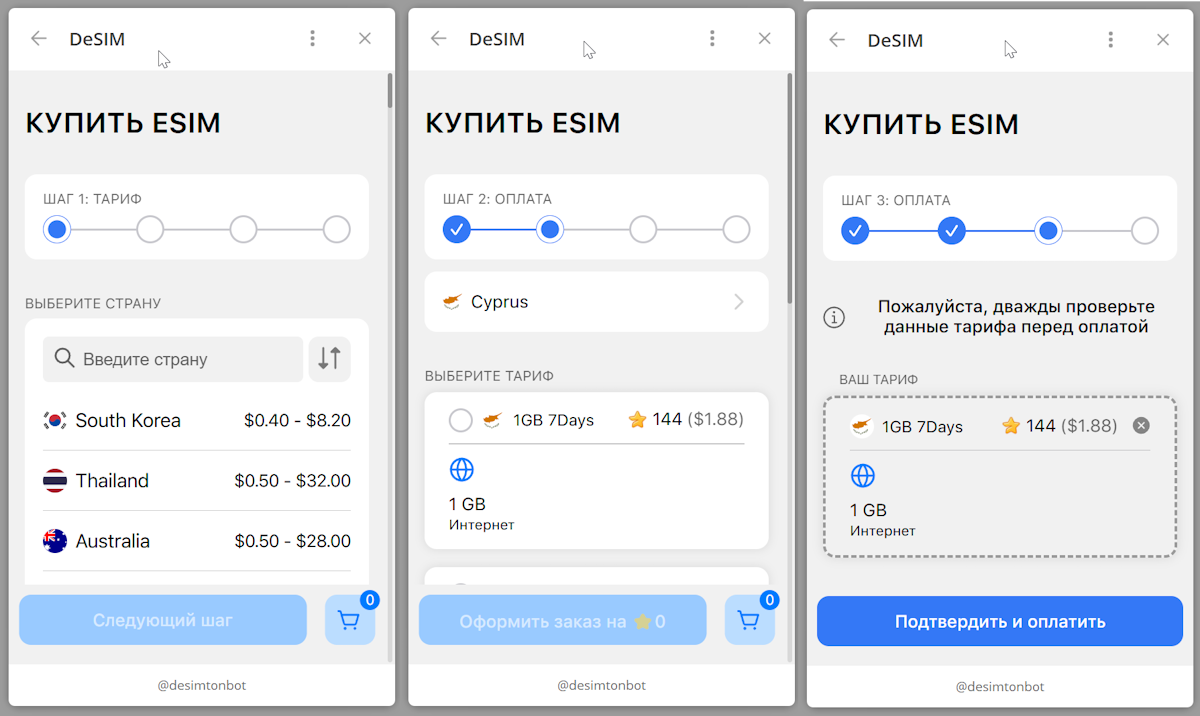
Airalo’s Regional Plans and Multi-Country Passes are designed for travelers crossing multiple borders, offering a single eSIM that works across entire continents like Europe, Asia, or the Americas. These passes bundle data allowances valid in dozens of countries, eliminating the need to swap SIMs at each stop. For example, a Regional Plan for Europe covers 39 countries, while a Global Plan spans 124 destinations. This makes Airalo a practical choice for multi-stop itineraries, as you activate once and automatically connect upon arrival. Multi-country passes simplify cross-border travel by providing seamless roaming under one package.
Q: Can I use Airalo’s Regional Plan simultaneously in neighboring countries during a single trip? A: Yes, since the data pool is shared across all included countries, you can move between them without recharging or reinstalling.
Holafly: Unlimited Data Focus and Local Numbers
Holafly stands out among the best esim for travel because it focuses on truly unlimited data plans, letting you stream and navigate freely without worrying about a cap. Unlike many competitors, they also offer local numbers in select destinations, which is handy for booking taxis or confirming reservations. This dual feature means you get both non-stop connectivity and a local presence. Just remember the local number is often a separate add-on, not bundled automatically, so check the details when you book.
- Unlimited high-speed data with no throttling for most destinations
- Local number add-on available for key regions like Europe and the US
- Simple QR code activation, no physical SIM swap needed
Ubigi: High-Speed Pools and Japan-Specific Strength
Ubigi stands out for its high-speed data pools for Japan travel, offering generous allowances like 10GB or 50GB that reset daily. Unlike throttled plans, these pools maintain full 4G/LTE speeds on Japan’s NTT DOCOMO network until the pool expires. For users buying a Japan-specific eSIM, the process follows a clear sequence: select a Japan data pool plan, install the eSIM before departure, then activate upon arrival. Many travelers confirm the speed remains consistent for streaming, navigation, and video calls throughout major cities and rural areas, making it a reliable choice for heavy data users in Japan.
- Choose a pool size (e.g., 10GB or 50GB) based on your stay length.
- Install the eSIM profile before traveling to Japan.
- Activate the plan upon landing to start using the high-speed data pool.
Nomad: Budget-Friendly Options with Pay-as-You-Go
For travelers prioritizing cost control, Nomad’s pay-as-you-go eSIM plans offer exceptional flexibility. You avoid upfront commitments by purchasing data top-ups in increments as low as 1GB, which activate instantly without contract locks. Coverage spans 190+ destinations, with local network routing ensuring stable speeds. A clear sequence for using Nomad effectively:
- Download the app and scan the activation QR code before departure.
- Select a regional or country-specific plan based on your itinerary.
- Top up only when your current data bundle nears depletion to avoid waste.
Nomad’s transparent pricing means you never pay for unused data at trip’s end.
Google Fi: Seamless Integration with Android Devices
For Android users, Google Fi offers the most seamless eSIM integration for travel. You simply activate the plan right from the Fi app—no QR codes or manual APN setups. Your phone automatically connects to partner networks as you land, keeping your texts and calls active without fiddling with settings. The service intelligently switches between T-Mobile, US Cellular, and local carriers to maintain uninterrupted data, so you never lose signal while navigating a new city. Plus, your existing Google Voice number and Hangouts history sync instantly, making international trips feel just like home.
Google Fi delivers effortless, automatic network switching and deep Android system integration, making it the ultimate built-in travel companion for Pixel and compatible phones.
Regional Breakdown: eSIM Performance by Destination
For travelers prioritizing the best eSIM for travel, a regional breakdown reveals that performance hinges on local carrier partnerships. In Western Europe, coverage is uniformly excellent across providers, making price the key differentiator. Southeast Asia demands a provider with strong local ties, as speed varies drastically between tourist hubs and remote islands. Latin America consistently penalizes budget eSIMs with throttled data during peak afternoon usage, a nuance many reviews omit. For North America, a single-network eSIM often fails in rural national parks, whereas multi-network profiles shine. Ultimately, your “best” choice is defined not by global promises, but by which region you’ll actually roam.
Europe: Schengen Area Packs and EU Roaming Laws
For multi-country trips, Schengen Area Packs are the most practical option, as a single eSIM plan provides seamless connectivity across 27 countries without border hiccups. These packs eliminate the need to buy separate eSIMs for France, Germany, or Italy. However, if your itinerary includes non-Schengen EU states like Croatia or Romania, verify the pack’s full coverage. EU Roaming Laws ensure that once activated in one Schengen member, the same data allowance applies across the bloc, preventing throttling at borders. A key distinction: EU Roaming covers EU nations, while Schengen Packs extend to non-EU Schengen members like Switzerland and Norway. Choose a Schengen Pack for max coverage, but confirm it explicitly lists both EU and non-EU Schengen states to avoid activation gaps.
Asia-Pacific: High-Data Needs in Japan, Korea, and Thailand
For travelers requiring constant connectivity in the Asia-Pacific region, high-data eSIM plans are essential for Japan, Korea, and Thailand. Japan and Korea demand robust coverage for navigating complex transit systems and streaming local content, while Thailand’s heavy social media and ride-hailing use quickly drains data. Look for regional eSIM packages offering at least 10GB, with Japan and Korea benefitting from high-speed LTE on NTT Docomo or SK Telecom, respectively. Thailand’s AIS network provides reliable 4G for Bangkok and islands. A single regional plan covering all three countries often proves more cost-effective than separate local eSIMs, especially for a two-week trip.
| Destination | Recommended Network | Ideal Data Volume |
|---|---|---|
| Japan | NTT Docomo | 10–20GB |
| Korea | SK Telecom | 10–15GB |
| Thailand | AIS | 15–20GB |
North America: Canada, USA, and Mexico Cross-Border Use
For travel across Canada, the USA, and Mexico, the best eSIMs let you hop between countries without swapping SIMs or dealing with new QR codes. Look for North America regional plans that pool data, so your 10GB works in Toronto, Los Angeles, and Cancún. Watch out for time limits—some plans tie data to a single 30-day window, while others reset on each border crossing. Also, carrier-specific quirks matter; Telus in Canada or Telcel in Mexico might offer better rural coverage than their U.S. counterparts. A solid regional eSIM keeps you connected seamlessly from Vancouver to Mexico City.
Middle East and Africa: Sparse Coverage but Growing Options
In the Middle East and Africa, travel eSIM coverage remains sparse but is rapidly expanding with compelling options. Urban centers like Dubai, Riyadh, and Cape Town now offer reliable high-speed data, while new regional eSIMs provide affordable plans for multiple countries, bypassing expensive local SIM hassles. However, connectivity drops in remote areas and rural safari regions, so checking carrier partnerships is essential.
- Prioritize eSIMs with regional bundles covering the UAE, Saudi Arabia, and South Africa for best value.
- Expect slower speeds in sub-Saharan Africa beyond major cities; pre-download offline maps.
- Choose providers offering partner networks like MTN or Etisalat for broader rural access.
Latin America: Local Carrier Partnerships for Strong Signals
In Latin America, the best eSIMs lean heavily on local carrier partnerships for strong signals, bypassing patchy roaming by connecting you directly to regional giants like Claro, Movistar, or Vivo. This means you ride on their native towers from Mexico to Argentina, not some second-rate network. Your eSIM hops to the strongest carrier in each zone—like Claro in Brazil’s cities or Movistar in rural Peru—so you rarely hit dead zones. No juggling SIM cards; your phone just locks onto the best local partner automatically.
- Carriers like Claro and Movistar blanket urban and remote areas, so your signal stays solid in both São Paulo and the Amazon.
- Switching between partner networks happens instantly without reloading eSIM profiles mid-trip.
- These partnerships ensure consistent 4G/5G speeds, not throttled roaming rates, for navigation and WhatsApp.

Device Compatibility: Which Phones Work with Digital SIMs
For travel eSIMs, device compatibility hinges on your phone supporting eSIM profiles. Most recent flagship models, including iPhones from the XS/XR onward, Google Pixels from the 3a, and Samsung Galaxy S20 and newer, are compatible. However, many budget or carrier-locked phones still lack eSIM hardware. Q: Does my older phone work with travel eSIMs? A: Only models specifically listed by the manufacturer as eSIM-capable; check your phone’s settings for “Add eSIM” or “Mobile Plan.” Always confirm compatibility before purchasing a travel eSIM, as a mismatch means no mobile data abroad.
iPhone Models from XR Onward: Dual eSIM Support
For travelers, iPhone models from the XR onward unlock true flexibility with Dual eSIM support for travel. These devices (XR, XS, 11–15 series, and SE 2020+) let you keep your home number active on a physical SIM while loading a local data plan via eSIM. You avoid swapping cards or losing connectivity. This dual-identity setup is ideal for maintaining iMessage and WhatsApp access without roaming fees.
- XR, XS, and newer models support two active eSIMs simultaneously on iOS 16.1+
- Physical SIM slot remains for a home carrier when using up to two eSIMs
- Works with any travel eSIM provider—no need to unlock carrier restrictions
Google Pixel, Samsung Galaxy, and Mainland Chinese Phones
For travelers, Google Pixel devices (from Pixel 3 onward) natively support eSIMs alongside physical SIMs, offering seamless switching between local profiles. Samsung Galaxy phones (notably the S20, Note 20, and later flagships) also provide robust dual-SIM functionality via eSIM, though carrier-locked US models may restrict this. Mainland Chinese phones like Xiaomi, Huawei, and OnePlus often limit eSIM to specific flagship models (e.g., Xiaomi 13 Pro or Huawei P50 Pro), and many lack global band support for travel networks. Google Pixel, Samsung Galaxy, and Mainland Chinese Phones each require verifying regional variants, as Chinese models frequently omit eSIM hardware entirely. Only unlocked international versions guarantee full eSIM travel compatibility across these brands.
- Google Pixel offers the most reliable eSIM support for travel across all models since Pixel 3.
- Samsung Galaxy S20/Note 20 and newer are eSIM-ready, but US carrier versions may require unlocking.
- Mainland Chinese phones: eSIM is rare outside premium models; always check for global firmware support.
Tablets and Smartwatches: Alternative Connectivity Hacks
For travelers, tablet and smartwatch connectivity hacks unlock independent data without a phone. First, verify your device supports eSIM—like an iPad Pro or Apple Watch Series 5+. Then, purchase a data-only travel eSIM plan from providers like Airalo or Truphone, as these devices typically lack voice call capability. Pairing a cellular Apple Watch with the same eSIM as your iPhone is not always possible, often requiring separate plans or carrier-specific setups. On a tablet, use the eSIM as a dedicated hotspot for a laptop, bypassing phone tethering. For smartwatches, install the eSIM via the companion app, then leave your phone in the hotel—your watch handles maps and messages independently. The sequence is:
- Confirm eSIM compatibility on your device settings menu.
- Purchase a travel eSIM plan specificaly for tablets or wearables.
- Scan the QR code from your provider’s account page.
- Select the eSIM line for cellular data in device settings.
This approach ensures connectivity for each device on its own terms.
Cost-Saving Strategies for Frequent Travelers
For frequent travelers, the most effective cost-saving strategy is to switch to a global eSIM provider that offers multi-country data packages. Instead of buying separate local SIMs or incurring exorbitant roaming fees, choose an eSIM plan that aggregates regional data at a flat rate. This eliminates the surprise “spending splurge” of per-day fees and avoids dozens of small transactions.
Focus on eSIMs that allow you to top up data packs, not whole plans, so you only pay for the megabytes you actually use, slashing waste by up to 40%.
Further, leverage referral credits from your eSIM provider to offset future data costs, and always activate a “pick your own destination” plan before departure to lock in lower regional prices rather than expensive global flat rates.
Buying Annual Plans Instead of Per-Trip Refills
For frequent travelers, buying an annual eSIM plan eliminates the inefficiency of per-trip refills. Instead of repeatedly purchasing short-term data bundles, a single annual global eSIM subscription provides consistent, always-on connectivity across multiple destinations. This approach reduces cumulative costs, as annual plans typically offer significantly lower per-gigabyte rates than individual trip packs. You also avoid the administrative burden of reactivating service and managing expiring top-ups before every departure. Choosing a provider with a flexible annual plan that allows data rollover or topping up at the same low rate ensures your connectivity expenses remain predictable and minimized throughout the year.
Using Referral Credits and Promo Codes
Unlock extra travel data by leveraging referral credits and promo codes directly in your eSIM app. Before purchasing a plan, check your account for a referral section—many providers give you and a friend free credit when they sign up using your link. Also, search online for active discount codes specific to your destination. Stacking a referral bonus with a seasonal promo can slash your next top-up cost significantly. To maximize savings:
- Activate any referral credits already in your account balance.
- Apply a valid promo code at the checkout step for the plan you want.
- Confirm the total discount before finalizing the purchase.
This straightforward method keeps your data budget low without sacrificing coverage.
Combining Local eSIMs with Free Public Wi-Fi
To maximize savings, combine a local eSIM data plan with free public Wi-Fi hotspots. Use your eSIM’s mobile data strictly for navigation and messaging while on the move. When you reach a café, airport lounge, or hotel, switch your device to Wi-Fi for heavy tasks like video calls or streaming. This hybrid approach lets you purchase a smaller, cheaper eSIM data package. Follow this sequence:
- Enable your local eSIM for mobile data.
- Connect to a verified public Wi-Fi network.
- Manually turn off mobile data on your device to prevent automatic fallback.
You conserve your paid eSIM gigabytes while still enjoying reliable connectivity.
Troubleshooting Common eSIM Glitches Abroad
You land in Barcelona, eager to navigate, but your eSIM shows “No Service.” With the best travel eSIMs, this typically means the automatic network selection failed. Open your phone settings and manually select a local carrier from the list; often that single tap restores connectivity instantly. Another common glitch is data but no calls—usually fixed by toggling the eSIM line off and on. Why does my eSIM work for data but not calls? Many travel eSIMs are data-only by design; check your plan details to avoid assuming voice support is included.
Activation Failures: Resetting Network Settings
If your travel eSIM won’t activate, resetting network settings often clears the stuck registration. On iPhone, go Japan eSIM to Settings > General > Transfer or Reset iPhone > Reset > Reset Network Settings. On Android, find “Reset Wi-Fi, mobile & Bluetooth” under System or General Management. This wipes saved Wi-Fi passwords and Bluetooth pairings but leaves personal data untouched. After the phone reboots, you’ll need to re-enter your eSIM’s APN or activation code.
- Force a full device restart after the reset to reload carrier profiles.
- Manually select the local network under Cellular > Network Selection.
- Wait 2–3 minutes after resetting before attempting eSIM activation again.
Data Not Working: APN Configuration Check
When mobile data fails abroad after installing a travel eSIM, the most common fix is an APN configuration check. Unlike a physical SIM, an eSIM often requires manually setting the Access Point Name (APN) in your device’s cellular settings. For example, many travel eSIMs use a generic APN like “internet” or “globaldata”. Navigate to Settings > Mobile Data > APN, then delete any old carrier APN, and enter the exact APN string provided in your eSIM’s setup instructions. Incorrect characters or missing spaces will block data. After saving, reboot the phone to force the connection.
Dual SIM Conflicts: Managing Primary and Secondary Lines
When traveling with an eSIM, dual SIM conflicts arise from misassigning data, calls, and SMS to the wrong line. To manage this, designate your travel eSIM as the primary data line while keeping your home SIM for iMessage/FaceTime and SMS authentication. Disable data switching to prevent your home carrier from billing roaming fees. If calls fail, force your secondary line to forward all voice to the travel eSIM. For iPhones, manually set “Cellular Data” and “Default Voice Line” in settings; on Android, prioritize “SIM 1” for data under “Dual SIM settings.”
How to Keep Your Original Number Active While Roaming
To keep your original number active while roaming with the best eSIM for travel, first activate your home carrier’s international roaming feature via its app or website before departure. Once abroad, install and activate your travel eSIM for data, but ensure your primary line remains enabled in the phone’s cellular settings for voice and SMS. On dual-SIM phones, set the travel eSIM as the default data line while keeping your original eSIM active for calls and texts—this prevents missed verification codes or bank alerts. For seamless two-factor authentication, disable automatic network selection on your original line to avoid unexpected charges, manually choosing a partner network if needed. Always confirm your home plan supports incoming SMS at no cost while roaming, a critical step when pairing any best eSIM for travel with your permanent number.
Wi-Fi Calling Over eSIM Data for Incoming Calls
When traveling, Wi-Fi Calling over eSIM data lets you receive calls to your original number without a physical home SIM. Activate this on your primary line before departure; during roaming, your phone uses the travel eSIM’s data connection to route incoming calls via the internet. This bypasses costly per-minute roaming charges, though call quality depends on your eSIM’s data speed and network stability. Ensure your device supports concurrent use of both eSIMs—one for the home Wi-Fi Calling profile, the other for data. This method keeps your number reachable for essential contacts, such as two-factor authentication notifications.
Virtual SMS Services for Verification Codes
When using the best eSIM for travel, virtual SMS services for verification codes let you receive banking or two-factor authentication texts via an online dashboard or app, bypassing the need for a physical SIM. These services reroute your original number’s messages to a cloud interface, ensuring you can log into apps or confirm transactions abroad without removing your eSIM data plan. You pay only for incoming SMS forwarding, which keeps your primary line active for critical verifications. This eliminates roaming fees and lets you focus on connectivity.
Virtual SMS services keep your primary number reachable for verification codes, allowing seamless two-factor authentication while roaming with an eSIM.
Port-Out Options: Temporary Number Parking
When hunting for the best esim for travel, consider porting your original number to a temporary parking service. This lets you “park” your existing mobile number with a virtual provider for a small monthly fee. While it’s parked, you can insert any travel eSIM into your phone and use local data without losing your home number. Your calls and texts just go into a digital voicemail or are forwarded. When you return, you port the number back to your original carrier, keeping it alive and ready.
Park your home number temporarily with a parking service, then use any travel eSIM freely—your number stays safe until you port it back.